The Hidden Cost of Climate Change: Why Everyday Events Drive Bigger Losses
Everyday climate events cause bigger losses than extremes. Discover how chronic hazards erode asset performance, CAPEX, and long-term value.
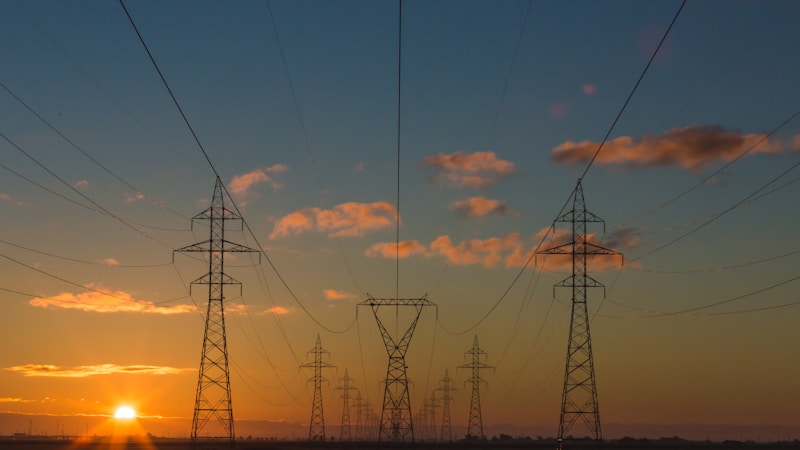
When discussing climate risk, dramatic events like hurricanes and floods dominate conversations. However, the actual reality involves more subtle but potentially costlier impacts. Across Europe and globally, slow-onset climate phenomena and intensifying frequent “everyday” events drive substantial operational and financial losses quietly.
Long heatwaves, persistent wind stress, recurring flooding, and compound seasonal extremes rarely generate headlines yet steadily erode performance, efficiency, and revenue annually. Many organisations underestimate these chronic hazards’ impact until losses become unavoidable, since these threats don’t destroy assets overnight.
Why Everyday Events Drive Bigger Losses
Extreme events aren’t always the major drivers of climate-related losses. Slow onset impacts and rising intensities of frequent floods, heat waves, or wind gusts can hinder operations, placing greater revenue at risk.
Infrastructure operators, utilities, investors, and asset managers experience effects across:
- Maintenance cycles
- Output and performance
- Component degradation
- Operational downtime
- Insurance exposure and premiums
These accumulating losses reshape asset viability and long-term value at scale.
Hidden Losses vs. Clear Insights
Traditional climate reports emphasise catastrophic scenarios, leaving chronic hazards overlooked or simplified. Addressing this gap requires:
- Quantifying Efficiency Impacts: Understanding how chronic stressors alter performance and annual revenue
- Monetising Climate Risk: Combining CAPEX-level damage projections with OPEX/revenue efficiency effects
- Customising Vulnerability Profiles: Adjusting operational thresholds per asset type
- Supporting Smarter Investments and Compliance: Aligning maintenance, resilience upgrades, and ESG/CSRD/IFRS reporting with precise asset-level data
This approach makes chronic stressors visible, quantifiable, and actionable - the difference between estimating risk and understanding what assets will actually face over 5, 10, or 25 years.
The Financial Reality
Chronic climate hazards directly affect operational reliability, asset lifespan and efficiency, revenue and yield, replacement and maintenance costs, and insurance requirements.
Years without proper climate resilience planning mean absorbing hidden losses that reduce profitability. Research demonstrates that every EUR 1 invested in resilience can save up to EUR 4 in avoided damage and operational disruption.
With increasing demands from investors, regulators, and auditors (including CSRD compliance), organisations need precision, auditability, and confidence beyond broad climate narratives.
The climate data your financial models are missing.
Get climate intelligence on your portfolio - in 48 hours.
Get Your Climate Assessment