What Is Climate Resilient Infrastructure? An Investor's Guide to Resilience as Value Creation
Learn why leading infrastructure investors are pricing resilience into deals, and turning physical risk into returns.
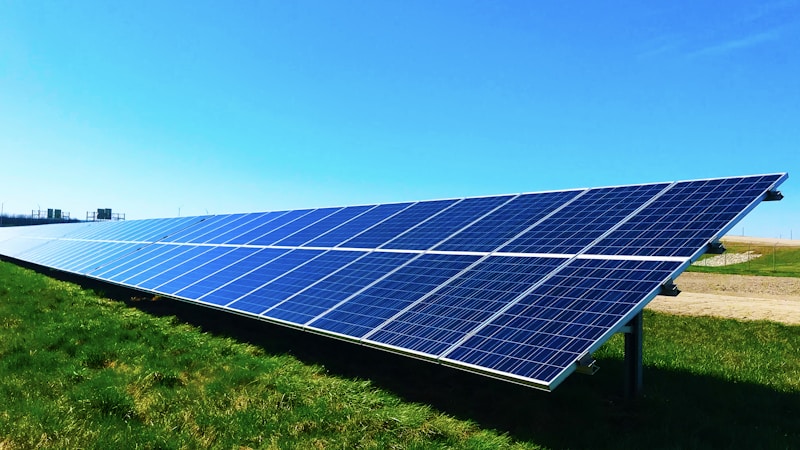
Infrastructure fund managers face a pivotal shift: climate resilience has transitioned from an ESG compliance exercise to a core financial underwriting discipline. With $5-15 billion in dry powder per fund across recent vintages and rising return hurdles of 8-10%, investors must now contend with structural asset repricing driven by physical climate impacts.
What Climate Resilient Infrastructure Means
Climate-resilient infrastructure encompasses physical assets - energy networks, utilities, transport systems, and digital infrastructure - engineered to withstand climate hazards while maintaining operational performance. For investors specifically, this means assets whose financial models reflect forward-looking climate conditions rather than historical assumptions, with quantifiable resilience returns during the investment hold period.
Why It Matters Now
Capital Deployment Pressure: Private debt fundraising reached nearly $357 billion globally in 2025, yet 70%+ of capital remains undeployed, forcing managers toward climate-exposed assets requiring stress-testing.
Performance Data Arrives: Renewable infrastructure underperformance has become measurable. Wind patterns in key European regions are shifting over two decades, creating asset productivity uncertainty.
Grid Volatility: PV capture rates have fallen below 60% across European markets. Germany recorded 724 negative-price hours in 2025, with 25% of PV generation occurring at negative prices.
Financial Case for Resilience
Resilience generates measurable returns beyond risk avoidance. The World Bank estimates every $1 invested in climate resilience returns $4 through avoided repair costs. A WRI study analyzing 320 adaptation investments across 12 countries found returns exceeding $10 per dollar over ten years, with average returns of 27%. Over 50% of benefits materialize even without climate disasters, through improved operational performance and reduced maintenance costs.
For utility-scale solar in high-growth regions, annual losses approaching EUR 1.6 million per site by 2040 represent recurring line items eroding returns - not tail risks.
Asset-Class Specific Resilience
Energy Networks: Grid operators negotiate with regulators for capital expenditure approval on hardening measures, securing inflation-protected returns while improving reliability metrics.
Renewable Energy: Solar faces heat derating challenges offsetting irradiance gains. Wind confronts shifting resource patterns invalidating historical yield assessments. Hybrid PV+battery configurations and climate-adjusted yield analysis are replacing static assumptions.
Data Centers: 27% of top 100 global data center hubs face high or very high heat risk by 2050; 52% already experience high water stress. Resilience requires distributed architecture, redundant power supplies, and climate-informed site selection.
Transport Infrastructure: Flooding risk areas face rising annual damages. Assets with availability-payment structures face direct revenue exposure when climate disruptions reduce operational hours.
Implementation Barriers
Quantification Gap: Climate exposure data exists but doesn’t integrate with DCF models to translate hazards into CapEx adjustments, OpEx trajectories, and revenue impacts.
Structural vs. Cyclical Uncertainty: Distinguishing temporary anomalies from structural climate-driven productivity changes requires specialized analytical capacity most operators lack.
Generic Models Fail: Equities-focused climate tools ignore infrastructure-specific revenue structures: availability payments, concessions, regulated CapEx recovery, and PPAs.
Financing Mismatch: While payback periods may be six years, timing mismatches between upfront resilience costs and distributed benefits create investment committee friction.
Integration Framework
Due Diligence: Translate physical hazards into metrics driving pricing - CapEx requirements, OpEx trajectories, revenue variability, and availability impacts within the hold period. Focus on years 3-7, not 2050 scenarios.
Ownership Phase: Identify adaptation measures with paybacks clearing return hurdles under all climate scenarios. Prioritize by financial impact. Deploy real-time performance monitoring enabling dynamic operational adjustments.
Exit Strategy: Quantified downside protection backed by asset-level data supports premium valuations. Continuation vehicles and GP-led secondaries benefit from climate-adjusted exit modeling providing LP confidence.
Climate resilience represents an active value creation strategy through acquisition discounts, targeted hardening deployment with quantifiable payback periods, and premium-priced exits - differentiating top-quartile fund performance in widening return dispersion markets.
The climate data your financial models are missing.
Get climate intelligence on your portfolio - in 48 hours.
Get Your Climate Assessment