Data Center Site Selection: Why Physical Climate Risk and Energy Supply Risk Should Drive Your Decision
Data center site selection must assess climate risk to the energy supply chain, not just the building. A dual-risk framework for investors and operators.
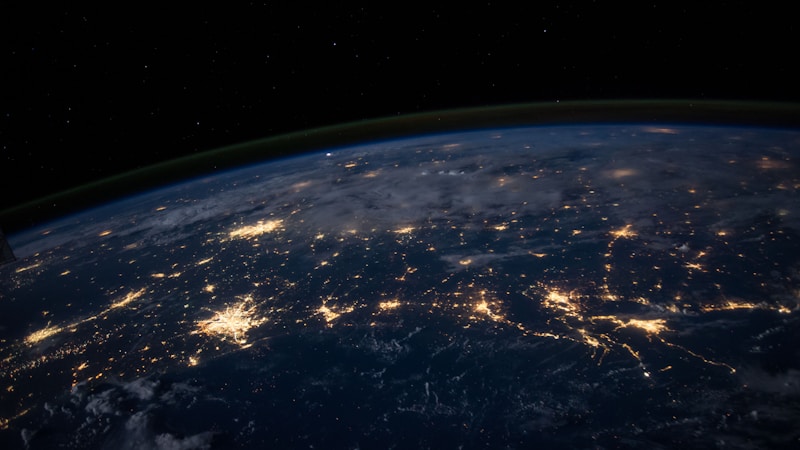
Tech companies are constructing private gas-fired power plants because public electrical grids can no longer reliably support data center operations. This trend signals a critical gap in conventional site selection methodology: assessments focus on physical facility protection while ignoring climate vulnerabilities within the energy infrastructure itself.
The Standard Framework’s Blind Spot
Conventional data center site selection evaluates six dimensions: power availability, network connectivity, natural disaster exposure, water supply reliability, expansion capacity, and regulatory clearance. However, this approach treats electrical supply as a stable input rather than a climate-exposed system requiring stress testing.
The World Economic Forum estimates that “extreme heat, drought, and other climate hazards could raise cumulative running costs at data centers currently in operation by $3.3 trillion by 2055.” Current site selection processes fail to account for how climate change will degrade the renewable assets and grid infrastructure powering these facilities.
Three Dimensions of Energy Supply Risk
Grid Reliability Under Extreme Weather
Modern electrical grids operate using N-1 design standards, tolerating single component failures. Climate-driven events create simultaneous, correlated failures across entire regions - an N-K problem most grids haven’t been tested against.
Renewable PPA Yield Degradation
Data center operators collectively control approximately 50 GW of contracted renewable capacity. These 10-15 year power purchase agreements rely on yield forecasts built from historical weather data. European wind portfolios are experiencing 5 to 10% underperformance against expectations, while solar panels lose efficiency at 0.3 to 0.5% per degree Celsius above rated conditions.
Water Supply Continuity
Two-thirds of U.S. data centers built since 2022 occupy water-stressed regions. Rising temperatures simultaneously increase cooling demands while reducing water availability - a compounding vulnerability.
A Dual-Risk Assessment Framework
Layer 1: Physical Facility Risk (conventional assessment)
Direct hazard exposure: flooding, extreme heat, wind, wildfire, water stress.
Layer 2: Energy Supply Risk (missing from standard frameworks)
- Local grid climate resilience and N-K failure tolerance
- Forward-looking renewable yield projections under climate scenarios
- Water availability trajectory under drought conditions
- Electricity price sensitivity to climate-driven supply disruptions
Strategic Implications
Hyperscalers must embed grid resilience analysis into every site evaluation. Colocation investors should prioritize facilities in zones with diversified power supply and strong climate adaptation. PPA counterparties should price contracts using forward-looking climate projections rather than historical baselines.
The institutional response is accelerating: the IIGCC launched its Climate Resilience Investment Framework in June 2025, while insurance markets signal that data center premiums could increase threefold by mid-century without resilience investments.
Climate change converts power from a commodity assumption into a quantifiable risk variable. Site selection ignoring energy supply chain vulnerability provides incomplete risk assessment and invites stranded asset exposure.
The climate data your financial models are missing.
Get climate intelligence on your portfolio - in 48 hours.
Get Your Climate Assessment