Infrastructure Investment: The Climate Blindspot Behind Missing 8-10% IRR Targets
Why infrastructure funds are consistently underperforming IRR targets, and how forward-looking climate data corrects the yield assumptions that backward-looking models systematically miss.
The Performance Gap Nobody Talks About
Infrastructure funds have long promised stable, inflation-linked returns in the 8-10% IRR range. But a growing number of funds are missing these targets - and the standard explanations (construction delays, regulatory changes, interest rates) don’t tell the full story.
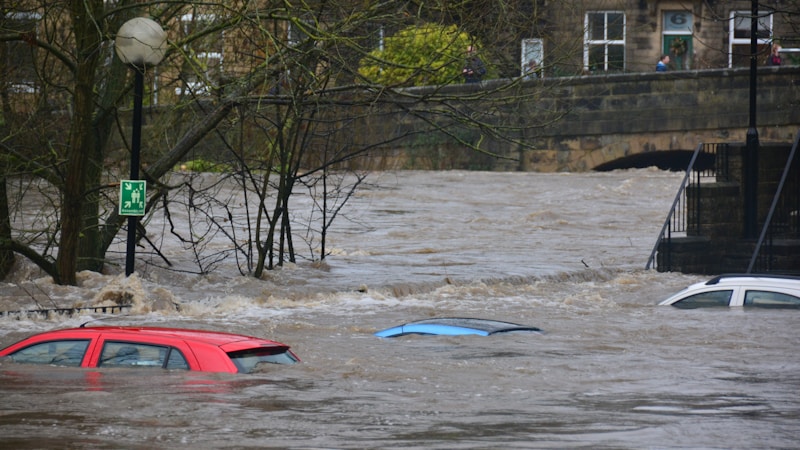
The blindspot is physical climate risk. Not as a distant 2050 scenario, but as a factor already affecting asset performance today.
What the Data Shows
Analysis of European renewable energy portfolios reveals a consistent pattern: actual yields are deviating from P50 forecasts, and the deviation is accelerating.
Wind assets in climate-stressed regions are showing yield deviations of -7% to -12% against historical baselines. Solar assets face compounding effects from heat stress that reduce inverter efficiency and panel output simultaneously.
These aren’t catastrophic events. They’re slow, persistent drags on performance that accumulate over a fund’s hold period.
The Gross-to-Net Problem
Standard technical advisors model roughly a third of the factors that affect net yield. They capture the obvious: wake effects, electrical losses, availability assumptions based on historical maintenance records.
What they miss is the climate-driven component: how shifting wind patterns affect energy capture, how increasing temperatures reduce equipment efficiency, how extreme weather events create operational disruptions that cascade through revenue models.
The result: financial models built on incomplete yield assumptions, leading to systematic overvaluation of assets and underestimation of risk.
A Different Approach
Forward-looking climate intelligence changes the equation. By modelling the full gross-to-net yield chain - from raw climate exposure through adaptation measures to residual risk - investors can see what they actually carry.
In one recent case, this approach identified a valuation shift of over £14M on a single 48MW wind asset. The market priced the asset at £48M based on backward-looking assumptions. Climate-corrected modelling showed a fair value of £62M - a 29% upside that the market was missing because it couldn’t see the full picture.
What This Means for Fund Managers
The funds that incorporate forward-looking climate data into their investment process will have two advantages:
- Better acquisition decisions - They’ll identify mispriced assets that others pass on, and avoid assets with hidden climate exposure.
- Better hold-period management - They’ll deploy adaptation capital where it generates the highest return, rather than spreading it evenly.
The 8-10% IRR target isn’t unreachable. But reaching it requires seeing what backward-looking models can’t show you.
The climate data your financial models are missing.
Get climate intelligence on your portfolio - in 48 hours.
Get Your Climate Assessment